
Smarter Tools for Smaller Acres

Sizing Machines to Beds, Not the Other Way Around

Modular Implements That Earn Their Keep
Soil Sensors That Actually Help Decisions
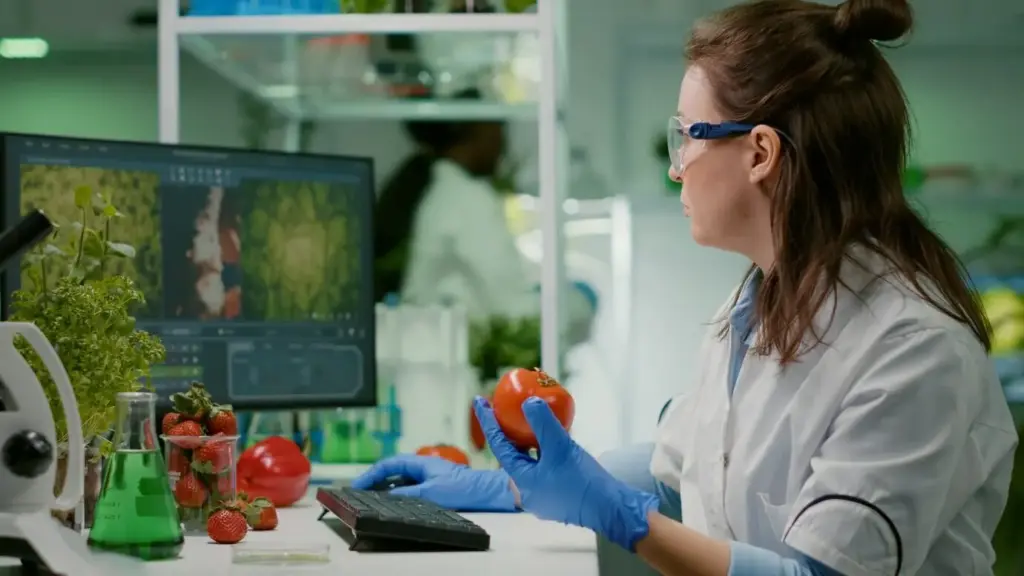
Moisture, temperature, and electrical conductivity are enough for many compact plots. Place probes at root depth for your dominant crop stage, log at practical intervals, then translate numbers into actions—irrigate tonight, delay transplanting, or vent tunnels early. Label probes clearly and rotate weekly to avoid tunnel‑vision. Claire saved a cucumber planting by trusting a cool‑soil reading and waiting forty‑eight hours. Post your go‑to thresholds, and we will compile a community cheat sheet for diverse climates and soils.
Tiny Weather, Big Impact
Backyard stations catch microclimate swings your regional forecast misses—wind shadows behind sheds, frost pockets near stone walls, and unexpected afternoon cloud lanes. Use degree‑day calculations to time pest netting, set frost alarms that text, and verify rainfall totals before irrigating. Calibrate quarterly with a simple manual gauge and shaded thermometer. Omar cut downy mildew risk by venting earlier on high humidity alerts. Tell us which reading saved your harvest, and how you mounted sensors to survive storms.
From Notes to Insights
A scribble can beat a spreadsheet when it travels with you. Tag beds with QR codes linking to a simple form: task, time, weather, and a quick photo. Weekly, review patterns—bottlenecks before markets, seeders clogging in one blend, or rows needing wider wheel spacing. One afternoon summary drives next week’s plan with less stress. If you prefer paper, photograph pages into a shared album. Comment with templates you love, and we will share printable, pocket‑sized versions.
Power, Energy, and Noise on Micro Farms

Soil‑First Automation
Gentle Tillage without Overdoing Disturbance
Traffic Discipline for Living Soil
Smarter Compost and Mulch Handling
Water Wisdom for Compact Plots
Drip Layouts that Embrace Crop Diversity
Controllers You Can Trust
Rainwater, Storage, and Pressure Matters

Ergonomics Save Backs and Hours

ROI You Can Explain to Family and Partners
Community Power: Sharing and Support
All Rights Reserved.