
Sunlight-Driven Precision Watering for Small Plots
Why Small Plots Benefit Most
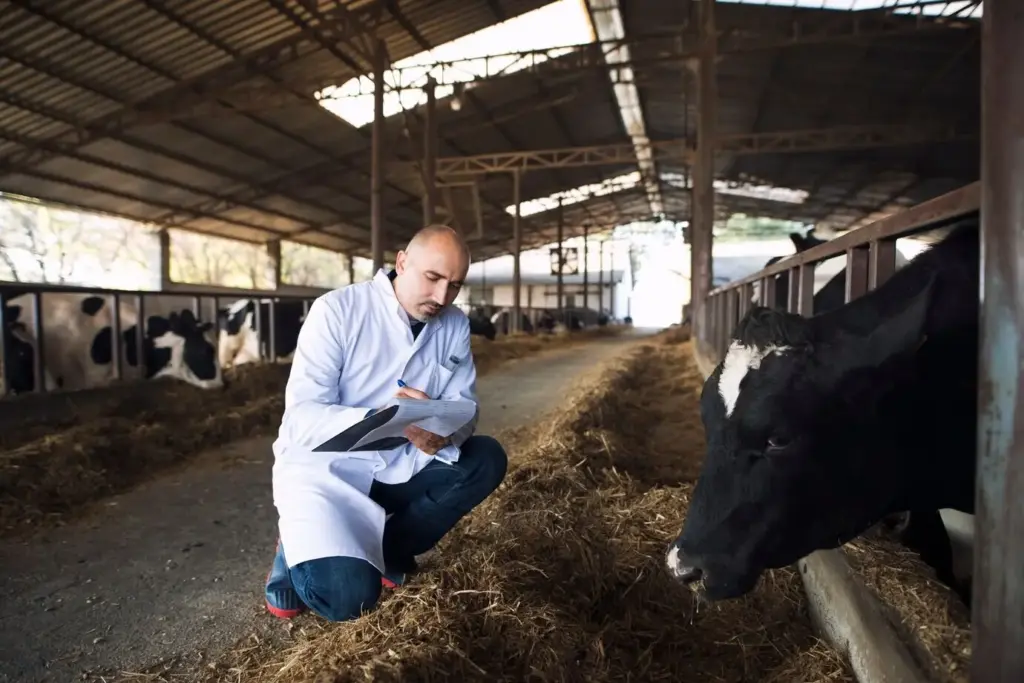
An Afternoon on a Terrace Garden

Quantified Wins

Core Components and Smart Layouts
Sizing the Panel and Battery
Drippers, Emitters, and Uniformity
Safe, Tidy Low-Voltage Plumbing

Automation Brains and Sensing
Closed-Loop Control Made Practical
Capacitive sensors are stable, inexpensive, and gentle on small beds. Calibrate at field capacity, then trigger short pulses when moisture dips below a defined threshold. Interlock with a minimum refill interval to avoid chatter, and verify with occasional manual probes to maintain trust in readings.
Weather-Aware Scheduling
Blend local station feeds or on-site temperature, humidity, and solar radiation to estimate evapotranspiration, then adjust runtime automatically. During heatwaves, pre-dawn top-ups curb wilt. When clouds linger, skip cycles and save battery. This responsiveness protects flowers, fruit set, and microbes that knit soil structure together.
Fail-Safe Modes that Truly Protect
Plan for imperfect days. If the tank runs dry, lock out the pump and alert a phone. If a flow sensor detects abnormal zero or runaway rates, fall back to conservative pulses. Local buttons keep watering possible during network outages or app updates gone sideways.
Installation Blueprint for Tight Spaces
Panel Placement and Shadows
Even tiny modules deserve full arcs of sun. Use a phone app or cardboard stick to trace shadows across the day, then set tilt for winter lows if frost is common. Leave airflow behind panels, and secure wiring against abrasion from bricks and railings.
Neat Manifolds and Quick Couplers
Mount a small board with filter, regulator, gauge, and valves in a sheltered corner, labeling each bed. Quick couplers let you detach lines for cultivation or events. Color-coded tubing prevents cross-connection, while dripline loops end at flush caps that double as convenient sampling points.
Commissioning Checklist
Before first run, purge lines, verify emitter flows, and confirm valve direction. Log idle voltage, panel current under sun, and pump draw under load. Simulate faults, test alerts, and share a quick guide with helpers so daily operation remains calm, predictable, and delightfully boring.
Maintenance, Monitoring, and Longevity

Costs, Payback, and Scaling Up
All Rights Reserved.