
Labor Saved Where It Matters Most

Many growers share the same story: early mornings, late evenings, and urgent calls to cover unexpected gaps. A compact, affordable robot can take over the repetitive laps between beds, freeing hands for nuanced work like harvest timing, wash-and-pack quality, and customer relationships. Instead of scrambling to find help for another weeding push, you schedule steady passes that keep beds clean and calm, even when the crew is smaller than planned.

Accuracy Down to the Leaf

Centimeter-level positioning, row-following, and vision-based control give crops breathing room while squeezing out weeds. The robot aligns with bed centers, respects plant spacing, and makes consistent, gentle decisions hour after hour. Growers report fewer accidental knocks, fewer skipped zones, and tighter, tidier beds. That accuracy supports organic practices and reduces input waste, because precision magnifies the value of every seedling protected and every unnecessary spray confidently avoided.

Daily Jobs These Machines Handle Without Complaints

Beyond buzzwords, value shows up in daily jobs actually done. Affordable field robots reliably tackle in-row weeding, between-row cultivation, spot spraying or micro-dosing, and slow, careful scouting. They move at the quiet, deliberate pace that tender crops prefer, returning consistent results even as fatigue would normally creep into human effort. By pairing stable hardware with clear workflows, these jobs become dependable building blocks across your weekly plan.

Row Weeding That Respects Crop Roots

Mechanical tools and vision models are tuned to stay gentle near stems while aggressively clearing weed competition in safe zones. The robot repeats calibrated passes on a schedule, so weeds are removed when small and fragile. Growers notice less hand weeding later, fewer emergency days, and more uniform growth. The payoff is especially strong in baby greens, carrots, and brassicas, where early consistency sets the tone for the entire block.

Spot Spraying and Micro-Dosing, Not Blanket Wastes

Instead of spraying everything, the robot pinpoints where treatment helps most, whether that is a nutrient boost, a precisely placed organic spray, or a careful water shot. Gentle, targeted delivery reduces runoff and saves material budgets. Precise logs track when and where each dose occurred, supporting certifications and audits. The result is healthier plants, cleaner records, and fewer gallons leaving the tank for no measurable return.
Scouting That Sees What Boots Miss

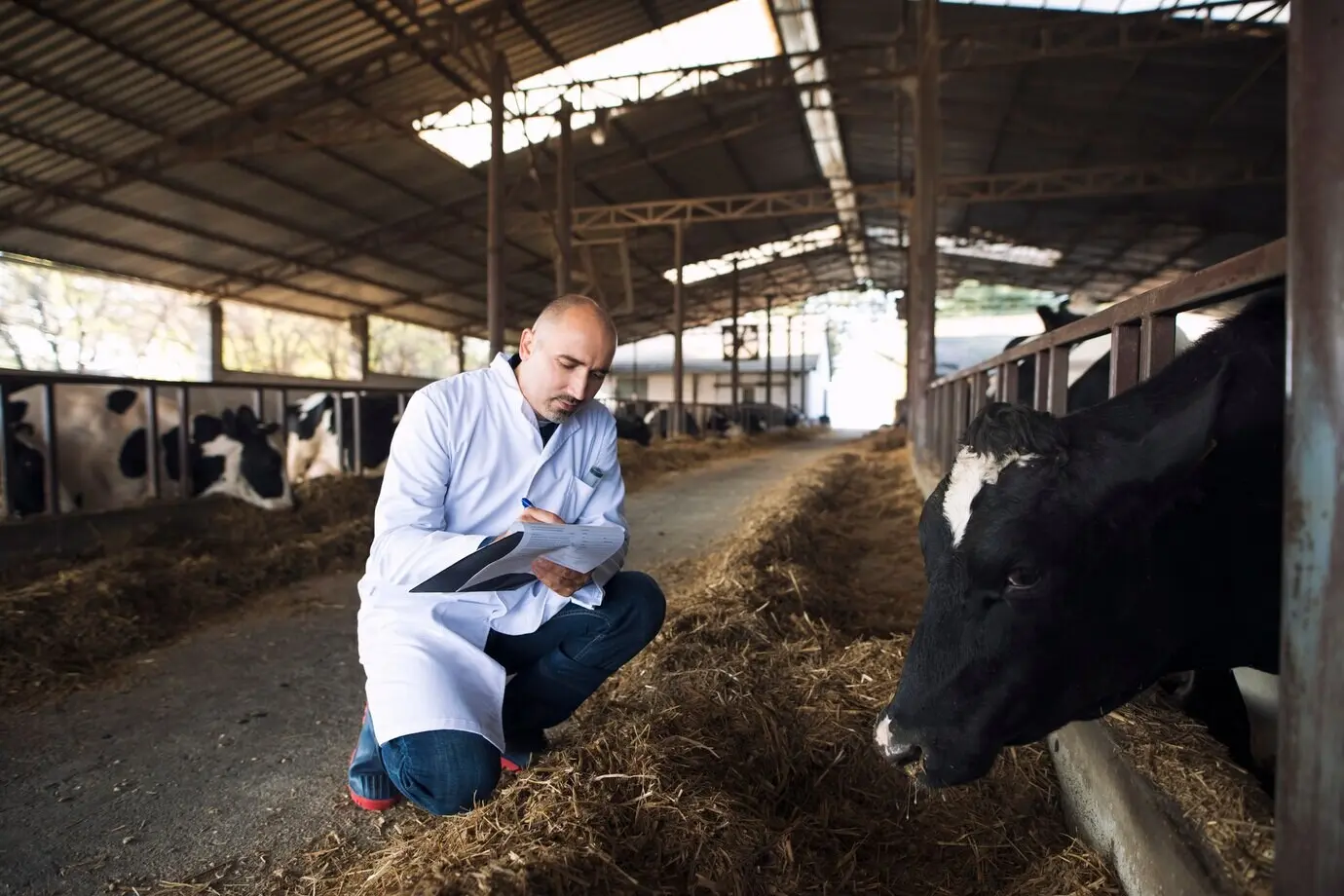
Scouting is the quiet hero of farm success, yet it often gets squeezed. Sensors capture consistent imagery and environmental notes every pass, turning casual glances into structured evidence. Subtle stress patterns show up earlier, like uneven moisture or leaf color changes, alongside pressure signs from pests. Alerts help you intervene before damage escalates, shifting your week from surprise firefighting to planned, targeted responses supported by trustworthy observations.


Hardware Choices That Keep Prices Sensible

Cost control begins with smart component choices: modular frames, off-the-shelf motors and gearboxes, sealed bearings, RTK-ready receivers, and cameras you can actually replace on a Tuesday. Electric drivetrains cut maintenance, while narrow wheel tracks and adjustable clearance match common bed formats. By resisting flashy complexity, the platform stays affordable to buy, simple to service, and ready to evolve as your crop mix and confidence grow.

Software, Autonomy, and the Gentle Learning Curve

Great autonomy feels humble, not showy. Clear setup wizards guide you through bed selection, tool alignment, and safety checks. Under the hood, proven navigation blends RTK paths with row-following cues, while perception distinguishes crops from weeds. Updates arrive over the air, but you stay in charge. The interface fits gloved hands and tired minds, favoring big buttons, readable logs, and job presets that encode your best practices.

Navigation That Hugs the Bed Straight and True

Path planning locks onto bed centers and respects headland boundaries, keeping the robot’s wheels exactly where you want them. On uneven ground, guidance combines GNSS with camera cues to maintain alignment. If a person or obstacle appears, the robot slows, waits, or reroutes. You confirm next steps on-screen, preserving a sense of control while benefiting from steady, unblinking focus that does not drift as hours pass.

Seeing Crops and Weeds Without Guesswork

Vision models are trained on common vegetables and weed families, then fine-tuned using short, guided data collection sessions in your own beds. The result: reliable stem protection and aggressive clearing in defined zones. Confidence indicators help you decide when to tighten or relax thresholds. You retain veto power, pausing to reassess whenever conditions change, ensuring machine decisions remain aligned with your field standards and organic certifications.

Interfaces That Welcome Tired Hands

After a long harvest morning, nobody wants a complicated menu. The interface uses large tabs, sensible defaults, and plain language. Job templates remember your favorite speeds, tool offsets, and pass counts. Logs sync to your phone or farm computer for quick review. If something goes wrong, clear prompts suggest fixes you can attempt immediately, turning potential setbacks into short pauses rather than whole-day detours and frustration.

Morning Checks, Midday Swaps, Evening Reports

A crisp ten-minute routine verifies tires, tool mounts, and battery status. You choose the first field, select a preset, and send the robot off. Around lunch, a quick battery swap and lens wipe reset the clock. In the evening, auto-generated notes reveal pass counts, alerts, and mapped coverage. Those insights shape tomorrow’s priorities while memories are fresh, turning data into quiet confidence instead of spreadsheets you rarely revisit.

Field Readiness and Safe Cooperation with People

Safety grows from clarity. Mark headlands, confirm bed widths, and establish a simple hand signal for pauses. The robot announces movement with lights and a soft chime, then respects geofences and stop lines. Workers learn to predict its path, treating it like another steady teammate. By making cooperation boringly reliable, you reduce near-misses and ensure visitors, volunteers, and new crew members feel secure around the equipment and crops.

Turning Data into Confident Decisions

Maps and logs are only helpful if they change actions. Scouting images highlight hot spots; weed pressure trends suggest earlier passes next cycle; spray records support audits and market claims. Short weekly reviews translate findings into schedule adjustments, seed orders, or irrigation tweaks. Over time, the farm’s memory strengthens, enabling better rotations, tighter bed preparation, and planting densities that reflect actual responses from your unique soils and microclimates.

Costs, Payback, and Smart Ways to Fund the Leap

Affordability is about purchase price, yes, but also uptime, maintenance, batteries, and support. Many small farms report labor savings across weeding and scouting, plus lower inputs from targeted interventions. Payback often emerges within one to three seasons, depending on crop mix and acreage. Grants, cooperatives, and shared ownership models ease the first step, while modular upgrades extend life and spread costs gently across seasons without painful surprises.
Voropuzaxizikikezoxe
Privacy Overview

This website uses cookies so that we can provide you with the best user experience possible. Cookie information is stored in your browser and performs functions such as recognising you when you return to our website and helping our team to understand which sections of the website you find most interesting and useful.