
Smarter Fields, Stronger Harvests
Across fields where every drop and minute counts, we explore IoT-enabled tools for smallholder farms that turn simple phones and rugged sensors into reliable partners. Expect stories, practical checklists, and honest lessons that save water, protect crops, and boost yields without complexity. Join us to compare options, learn from neighbors, and adopt only what truly fits your land, budget, and daily routines.
Getting Started with Connected Farming
Begin with what you already have: a phone, a modest budget, and the field knowledge you trust. We outline the first steps toward connected tools that respect local realities, tolerate dust and rain, and report clearly. Start small, measure meaningfully, and find value within weeks, not seasons, by choosing parts that grow alongside your ambitions.
Choosing Affordable Sensors
Look for soil moisture, temperature, humidity, and pH options that survive sun, mud, and curious goats. Favor replaceable batteries, clear documentation, and open data formats. Compare community-tested models, consider warranties, and ask local suppliers about calibration support, spare probes, and realistic maintenance schedules that protect busy days and tight planting windows.
Connectivity That Reaches the Field Edges
Signal needs vary by terrain, distance, and budget. Test LoRaWAN for long range and low power, or reuse dependable 2G where available. Mesh Bluetooth between plots, add a gateway in a tall tree, and map dead zones before buying, so connectivity decisions reward patience rather than guesswork.
Power Without Wires
Sunlight is free, yet batteries fail when ignored. Choose solar kits sized for cloudy weeks, protect cables from rodents, and plan seasonal tilt changes. Keep spare fuses, track charge cycles, and teach someone reliable to clean panels regularly so your measurements never sleep during peak growth.
Water Wisdom and Irrigation Precision
{{SECTION_SUBTITLE}}

Soil Moisture in Real Time
Place probes at root depth, compare morning and afternoon readings, and build simple thresholds that match each crop’s phase. When alerts ping, irrigate precisely rather than by habit. Watch leaves respond, track uniformity, and celebrate water savings that show up quickly in fuel receipts and calmer mornings.
Smart Pump Control
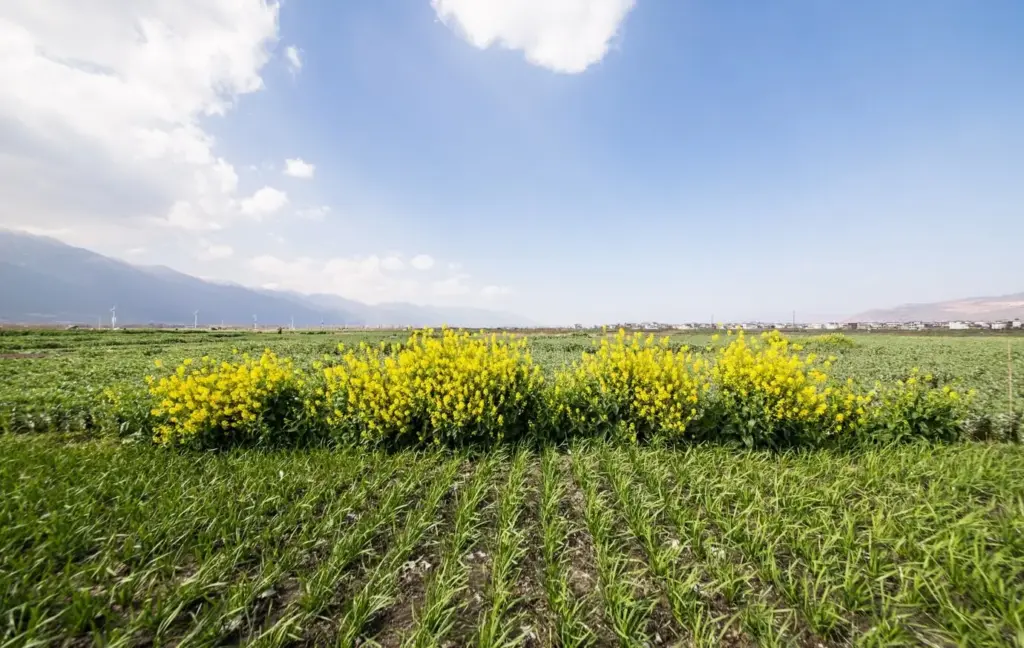
Smart relays turn pumps on only when needed, saving diesel, effort, and wear. Combine flow meters with tank levels to prevent dry runs. Remote control prevents nighttime trips, while weekly summaries reveal leaks, clogged filters, or undervalued gravity options that should replace expensive, noisy routines forever.
Weather, Pests, and Crop Health
Weather shifts reshape pest pressure and disease risk before symptoms appear. By combining local stations, scouting photos, and shared alerts, you can act earlier with less pesticide, protect beneficial insects, and harvest cleaner produce that meets buyer expectations while preserving your soil’s living community for future seasons.

Data You Own, Insights You Trust
Numbers matter only when they help decisions and respect rights. Choose platforms that export easily, work offline, and support local languages. Keep ownership with the farmer, grant temporary access to agronomists, and demand transparency from vendors about storage, encryption, and deletion, ensuring trust grows alongside yields.
Working Together: Cooperatives and Communities
Sharing Gateways and Costs
One rooftop antenna can cover many plots. Agree on placement, power sharing, and caretakers. Document contributions and usage rules. When storms strike, a shared repair fund speeds recovery. The arrangement strengthens trust and makes future technology purchases easier to discuss, justify, and distribute fairly.

Peer Learning and Local Champions
Set up field days where farmers demonstrate tools in real conditions, explaining mistakes and fixes. Record short videos in local languages and share by messaging groups. Peer proof convinces faster than brochures, and builds a network ready to answer questions when problems surprise newcomers.

Maintenance Clubs and Spare Parts
Create lists of compatible parts, fuses, and cables. Train a few neighbors to troubleshoot sensors and update firmware. Stock a communal box with o-rings, tape, and multimeters. Every saved trip to town protects margins and keeps tools working through planting rushes and late-season storms.
Scaling Up and Staying Resilient

Pilot Today, Expand Tomorrow
Start by duplicating proven setups in nearby fields. Standardize connectors, labels, and mounting. Keep a simple change log so replacements are painless. As confidence grows, add sensors for salinity, leaf wetness, or pasture health, then evaluate results together before committing precious budgets further.
Weathering Droughts and Floods
Combine soil sensors, weather history, and satellite vigor maps to choose drought-tolerant varieties and adjust planting dates. Alerts for heat waves trigger shade or mulch strategies. Flood sensors near streams protect equipment and animals, while evacuation checklists prepared in calm weather avoid panicked decisions.
Financing, Grants, and Payback
Map payback by comparing saved diesel, reduced losses, and improved prices from consistent quality. Explore microloans, cooperative credit, and pay-as-you-go models that match harvest cycles. Share your results with us, and we will spotlight practical journeys that inspire lenders and encourage fairer terms.
All Rights Reserved.